Table of Contents
Brief introduction
Pilates Proper Breathing
Important Pilates Breathing Exercises
Exercises to Improve Pilates Breathing
Q&A
Conclude
Enhance your Pilates practise by focusing on your breath."
Brief introduction
Proper breathing is key for Pilates to maximise benefits. To expand the lungs and ribcage, breathe deeply and thoroughly with the diaphragm. This oxygenates and engages core muscles. The proper Pilates breathing technique is covered in this article.
Pilates Proper Breathing
Pilates Proper Breathing
Pilates strengthens core muscles, improves flexibility, and raises body awareness. One of the keys to Pilates is adequate breathing. Correct breathing during Pilates can enhance posture, core engagement, and performance.
How to breathe properly during Pilates:
1. Breathe deeply
The first stage in Pilates breathing is deep breathing. Inhale deeply through your nose and exhale fully through your mouth. Deep breathing helps oxygenate and relax muscles, making Pilates practise effective.
2. Diaphragm use
The base of your lungs' diaphragm helps you breathe. Your diaphragm contracts and descends when you inhale, expanding your lungs and filling them with air. Exhaling relaxes and raises your diaphragm, expelling air. Breathing through your diaphragm during Pilates can increase core engagement and performance.
3. Follow your breath with your actions.
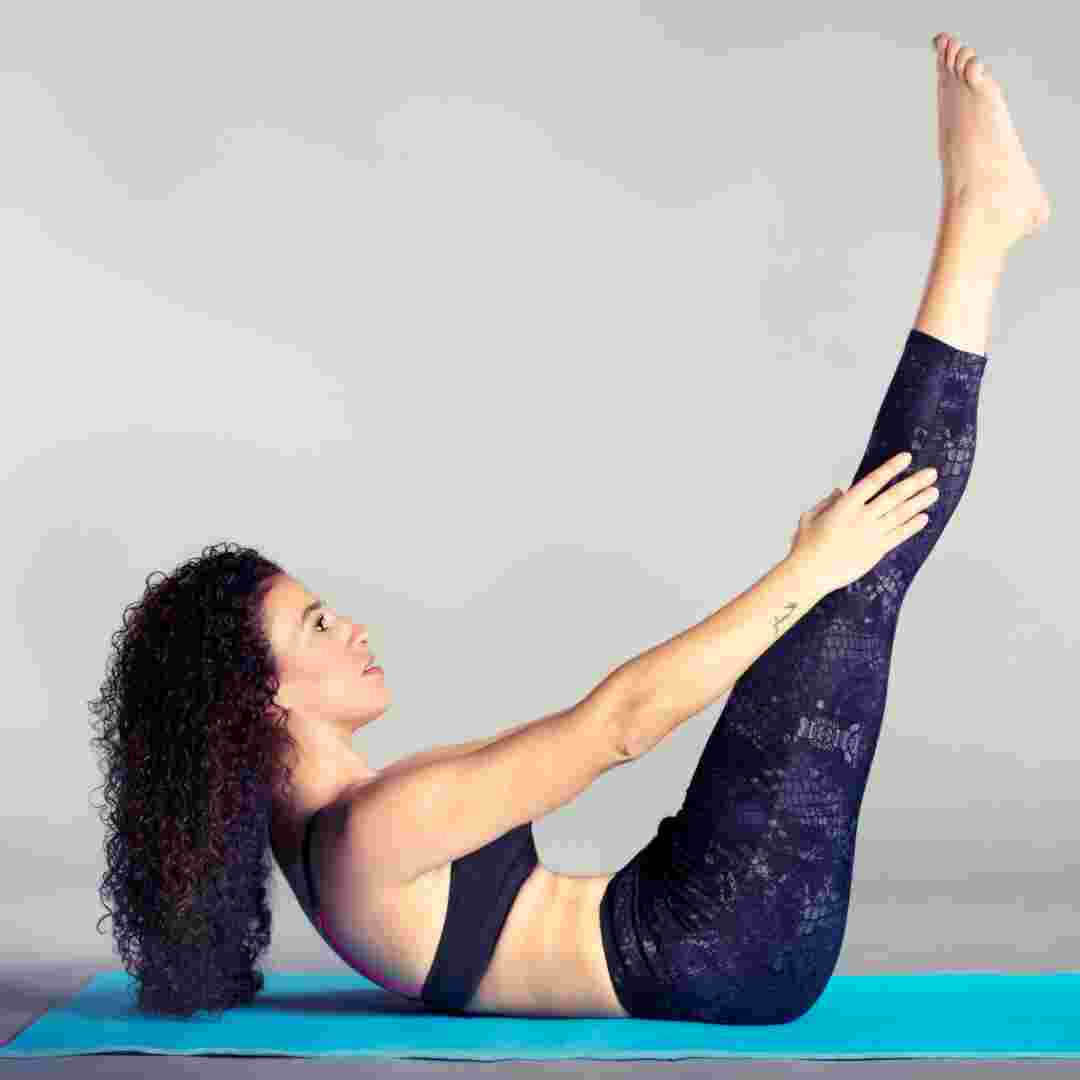
In Pilates, breath and movement must be coordinated. This entails inhaling before an action and exhaling afterward. In a Pilates roll-up, inhale before rolling up and exhale as you roll up and reach for your toes. Breathing with your motions helps you stay in control during the activity.
4. Remember to fully exhale
Exhaling fully during Pilates is crucial. Push all the air out of your lungs before inhaling. Fully exhaling improves core muscle engagement and performance.
5. Don't hold your breath
Holding breath during Pilates is a common mistake. Holding your breath can strain your muscles and make the activity harder. Instead, breathe deeply and continuously throughout the activity.
6. Breathe exercises
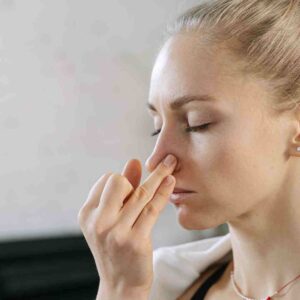
Along with Pilates, doing good breathing methods on your own is helpful. increase your lung capacity, reduce stress, and increase your well-being with breathing exercises. Deep, alternative nostril, and belly breathing are common breathing exercises.
Finally, good breathing is vital for Pilates. By breathing deeply, using your diaphragm, integrating your breath with your movements, exhaling fully, avoiding holding your breath, and practising breathing exercises, you may increase your performance and maximise your Pilates practise.
Important Pilates Breathing Exercises
Pilates strengthens core muscles, improves flexibility, and raises body awareness. Breathing is crucial to Pilates' greatest advantages.
Regular breathing is distinct from Pilates breathing. Deep breath and exhale stimulate core muscles and promote circulation. Proper breathing reduces stress and tension, making workouts more comfortable and focused.
To breathe effectively during Pilates, start in a comfortable position. Lie on your back, sit up, or stand with your feet shoulder-width apart. After relaxing, take a few deep breaths through your nose and mouth.
Start your Pilates workout by breathing deeply into your diaphragm. Your tummy should expand and shrink when you inhale and exhale. Many Pilates routines require this breathing to activate the core and stabilise the spine.
Your Pilates training should also include a consistent breathing rhythm. This involves inhaling and exhaling evenly without holding your breath or taking shallow breaths. Inhale and exhale for four counts is a solid rule.
Coordinating breath and movement is another Pilates breathing technique. This means you should inhale before a movement and exhale during it. In a Pilates roll-up, inhale as you lift your head and shoulders off the mat and exhale as you roll up to a seated position.
Pilates uses deep breathing and "ribcage breathing." This entails stretching the ribcage in all directions when inhaling and contracting it when exhaling. This breathing improves lung capacity and muscle oxygenation.
Put your thumbs behind your ribs and your fingers in front to practise ribcage breathing. As you inhale, your ribcage expands in all directions, pushing your hands out. Pull your hands back as you exhale to constrict your ribcage.
In conclusion, Pilates requires breathing. Proper breathing improves circulation, core muscle engagement, stress reduction, and body awareness. Focusing on deep breathing, maintaining a steady rhythm, syncing your breath with your movements, and ribcage breathing will maximise your Pilates workout and improve your well-being.
Exercises to Improve Pilates Breathing
Pilates strengthens core muscles, improves flexibility, and raises body awareness. Pilates emphasises proper breathing. Breathing exercises are vital to Pilates and can improve your results and well-being.
Deep breathing is essential for Pilates. Inhale deeply through your nose and exhale fully through your mouth. This breathing technique oxygenates and circulates the body, reducing stress and tension.
The "Pilates breath." is a common Pilates breathing exercise. This workout involves deep nasal breathing to fill your lungs. Exhale by contracting your abdominal muscles and pushing out air. This strengthens your core and posture.
The "chest expansion." is another Pilates breathing practise. Inhale deeply through your nostrils and elevate your arms to the sides with relaxed shoulders to execute this exercise. Exhaling should return your arms to your sides and contract your abdominal muscles. This exercise opens your chest and improves breathing.
There are more Pilates strategies that might improve your practise besides these breathing exercises. This method is called "diaphragmatic breathing." This requires deep breathing into your diaphragm, slightly below your ribs. To do this exercise, breathe deeply through your nose and expand your diaphragm. Exhaling should contract your diaphragm and push air out of your lungs.
The Pilates method "ribcage breathing." can also enhance breathing. Breathing deeply into your ribcage improves posture and lowers upper body strain. Inhale deeply through your nose and feel your ribcage expand to execute this exercise. Exhaling should constrict your ribcage and bring your breath to your diaphragm.
Note that breathing exercises should be gradual and deliberate. Stay focused on your breath and avoid distractions. Also, listen to your body and modify your breathing as needed. If you feel tired or tense, stop exercising and rest.
In conclusion, Pilates requires breathing exercises. They improve posture, reduce stress, and boost well-being. Combine these Pilates techniques for improved outcomes and a more pleasant practise. As you do each exercise, breathe deeply and listen to your body. With practise and perseverance, you can learn Pilates breathing and advance your practise.
Q&A
1. How should I breathe during Pilates?
Answer: Breathe deeply and thoroughly via your nose and mouth during Pilates.
2. Should I hold my breath during Pilates?
Answer: Pilates should not involve holding your breath. Instead, breathe deeply and continuously throughout the activity.
3. What breathing pattern should I use during Pilates?
Answer: While there is no precise breathing rhythm for Pilates, inhaling during preparation and exhaling during exertion is encouraged.
Conclude
Conclusion: Use the diaphragm to breathe deeply and fully throughout Pilates. This engages core muscles and promotes calm and mindfulness during practise. Avoid holding or shallow breathing, which can strain the body. Mindful breathing can boost Pilates' advantages and your health.